Understanding Jiu-Jitsu: A Beginner's Guide to Positions, Submissions and Progress
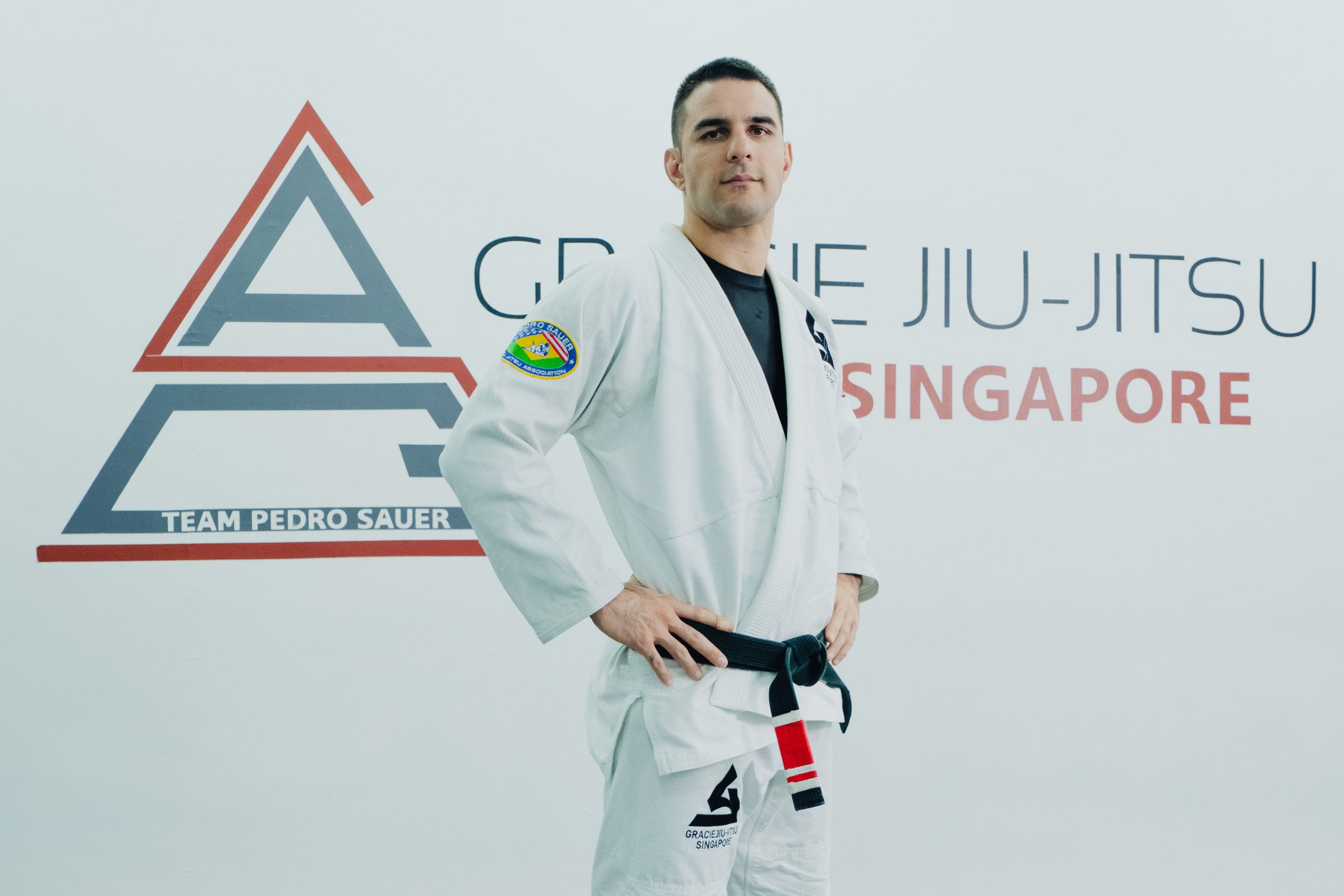
Head Instructor, Black Belt in BJJ & Judo
Starting Brazilian Jiu-Jitsu can feel like learning a new language. Positions have unfamiliar names, techniques look complicated, and other students seem to know exactly what they are doing.
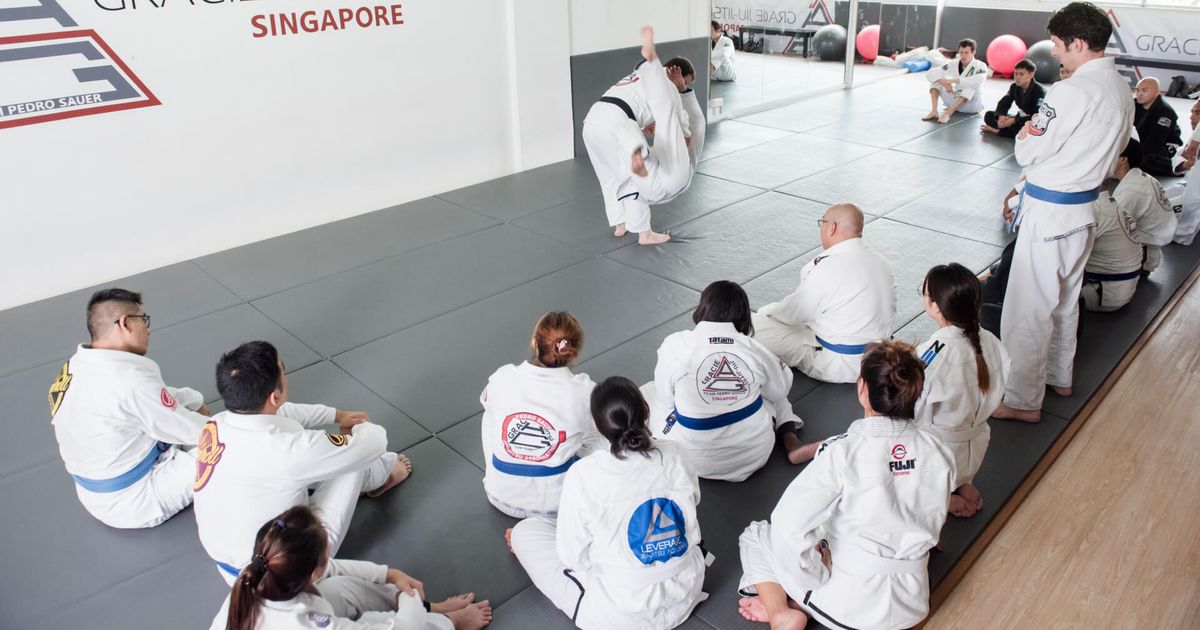
This guide is based on the beginner orientation we share with new students at Gracie Jiu-Jitsu Singapore. It explains what Jiu-Jitsu is, the main positions, what a submission is, and how to think about your own progress.
You do not need experience to begin. You need patience, consistency and curiosity.
What Is Jiu-Jitsu?
Jiu-Jitsu is a grappling-based martial art built around leverage, positioning, control and safe submissions. Rather than relying on size or strength, it teaches you to use your body efficiently against a resisting partner.
Everything you learn serves one of four objectives:
- Defend: protect yourself and recognise danger.
- Escape: move out of difficult positions.
- Control: use positioning to limit movement.
- Submit: finish safely when an opportunity exists.
The Four-Step Learning Framework
When you are new, it helps to have a simple order of priorities. We teach beginners to think in four steps:
- 1. Survive: protect your neck, arms and breathing space.
- 2. Escape: move toward a safer position.
- 3. Control: establish a stable, advantageous position.
- 4. Submit: apply a technique gradually and safely.
This is a learning framework, not a rigid sequence in every exchange.
Real exchanges move quickly, and you will often move back and forth between steps. The framework simply tells you what matters most when you are unsure what to do next.
The Main Positions
Most of what happens on the ground takes place in a handful of positions. Learning to recognise them is one of the first skills you will develop.
Closed Guard
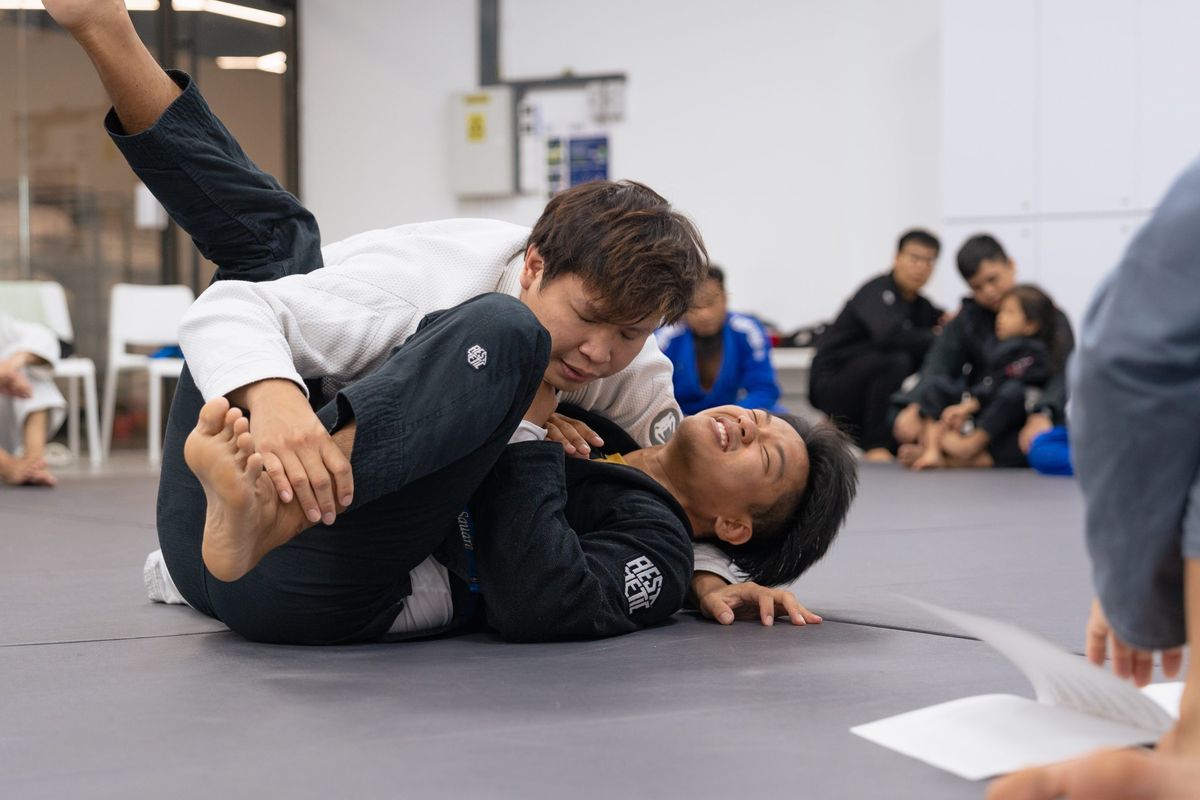
Control from your back using your legs. You lie on your back with your legs wrapped around your partner's waist, which lets you control their posture from underneath.
Side Control
Control from the side, or work to escape if you are underneath. The top player lies across their partner's chest, at an angle to their body.
Mount
Control from above your opponent's torso. The top player sits on their partner's chest or stomach, with a knee on each side.
Back Control
Control from behind, or defend and escape if you are the one being controlled. The attacker is behind their partner, usually with their legs hooked in front of the hips.
Explore Our Programs
Who Has the Advantage?
Not every position is equal. Some give you strong control, while others put you in danger.
- Dominant top: mount, back control and side control often offer strong control.
- Guard: the bottom player can defend, sweep and attack.
- Inferior bottom: under mount, side control or back control, prioritise safety and escape.
- Context matters: position, grips, balance and skill all change the situation.
This is why being on your back in guard does not mean you are losing, while someone stuck under side control usually needs to focus on protecting themselves and getting out.
What Is a Submission?
A submission is a technique that makes your partner give up the exchange by tapping. There are two main types:
- Joint locks: the armbar, kimura and Americana apply controlled pressure on a joint.
- Chokes: the rear naked choke, triangle and collar choke are controlled attacks on the neck.
Submissions are what make Jiu-Jitsu effective, but in training they are always applied with care. Three rules keep everyone safe:
Tap early. Release immediately. Never force a finish.
Tapping, by patting your partner or the mat, or by saying "tap", is not failure. It is how you keep training safely and come back for the next round.
Three Ways to Improve Your Position
When you are in a bad position, or simply want a better one, there are three main ways to change the situation:
- Escape: get out of a bad position or recover guard.
- Sweep or reversal: change from bottom to top, or reverse control.
- Guard pass: get past your partner's legs to establish top control.
What Happens in a 90-Minute Class?
Adult classes at Gracie Jiu-Jitsu Singapore follow a consistent structure:
- Warm-up: prepare your body and rehearse useful movement.
- Instruction: understand the technique and why it works.
- Drilling: practise with a cooperative partner.
- Sparring: apply your skills against resistance, often with a specific goal.
Why Do Other Beginners Seem Better?
"Beginner" can mean two classes, or ten months of training.
Someone with six months of practice has already spent many hours learning movements, positions and reactions. When they seem to move easily, you are seeing the result of those hours.
Compare your understanding today with your understanding last month, not with someone else's timeline.
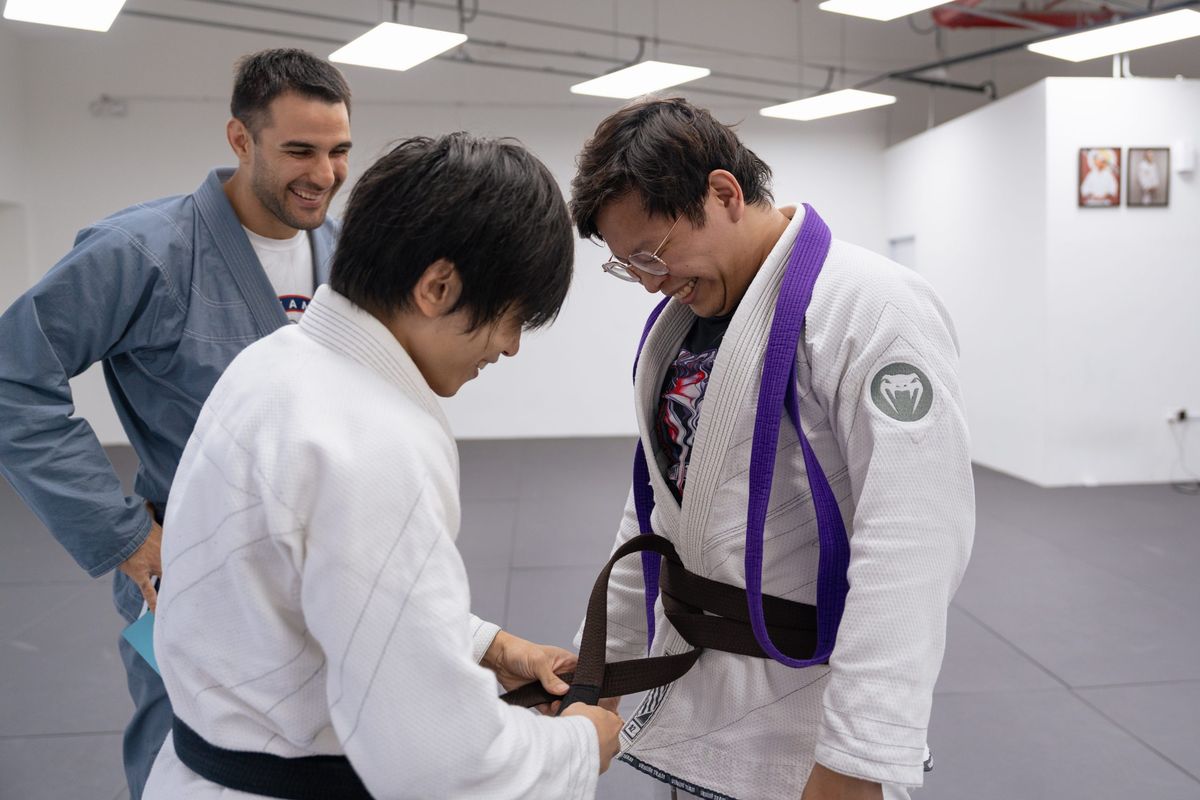
What Does Progress Look Like?
Progress in Jiu-Jitsu is rarely about winning rounds. It usually shows up in stages like these:
- Recognise: I know what position I am in.
- Defend: I stay calmer and protect myself.
- Escape: I can recover guard or improve my position.
- Control: I can hold a position against resistance.
- Connect: I can combine movements and create attacks.
How to Approach Sparring
Sparring can feel overwhelming at first. Instead of trying to win, choose one small objective for each round, such as:
- Protect my arms and neck.
- Recognise when I am in guard.
- Try one side-control escape.
- Apply one technique from today's class.
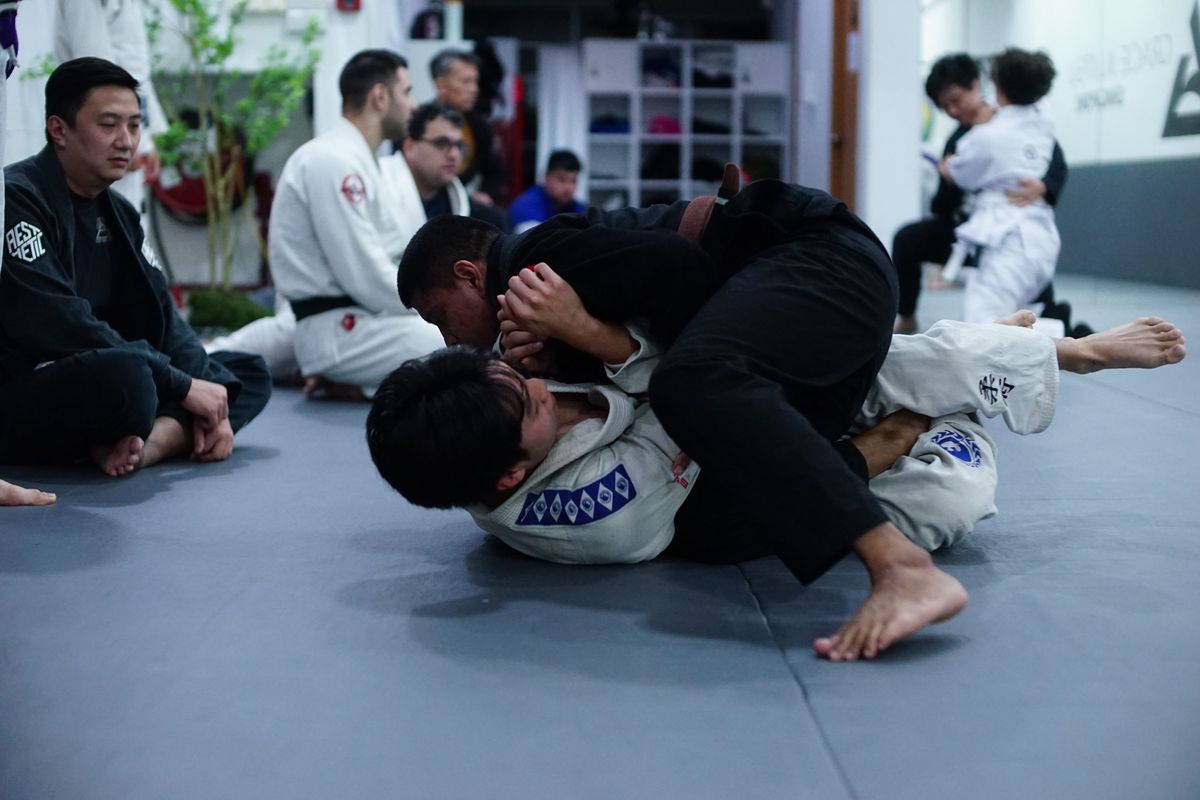
You can make progress even when you get submitted.
You Do Not Have to Win to Improve
You do not need to understand everything immediately. You do not need to progress at the same pace as others.
What matters is that you keep coming back. Every class adds to your understanding, even when it does not feel that way on the day.
Show up. Learn. Practise. Improve.
Frequently Asked Questions
Do I need experience to start Jiu-Jitsu?
No. You do not need experience to begin. You need patience, consistency and curiosity.
What are the main positions in Jiu-Jitsu?
Beginners first learn closed guard, side control, mount and back control. Mount, back control and side control often give the top player strong control, while the guard lets the bottom player defend, sweep and attack.
What does it mean to tap?
Tapping means you give up the exchange, usually when caught in a joint lock or choke. Tap early, and when your partner taps, release immediately.
Why do other beginners seem so much better than me?
"Beginner" can mean two classes or ten months of training. Compare your understanding today with your understanding last month, not with someone else's timeline.