From Shy to Confident: How Gracie Jiu-Jitsu Transforms Children
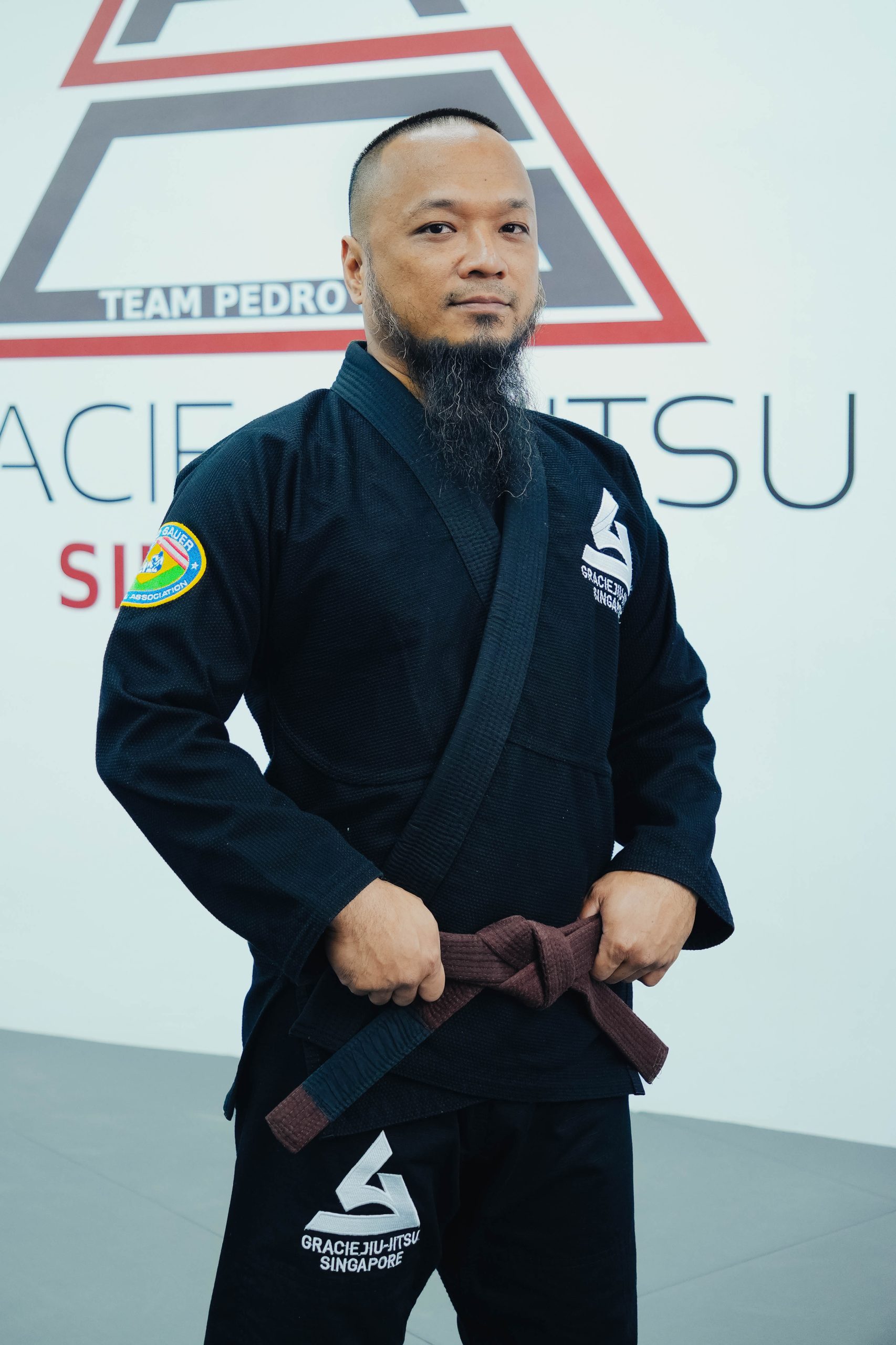
Kids Program Lead, Brown Belt
If your child is shy, introverted, or struggles with confidence, you are not alone. Many parents in Singapore tell us that their child avoids eye contact, speaks softly, resists new social situations, or becomes anxious in group settings. These children are often bright and capable — they just need the right environment to come out of their shell.
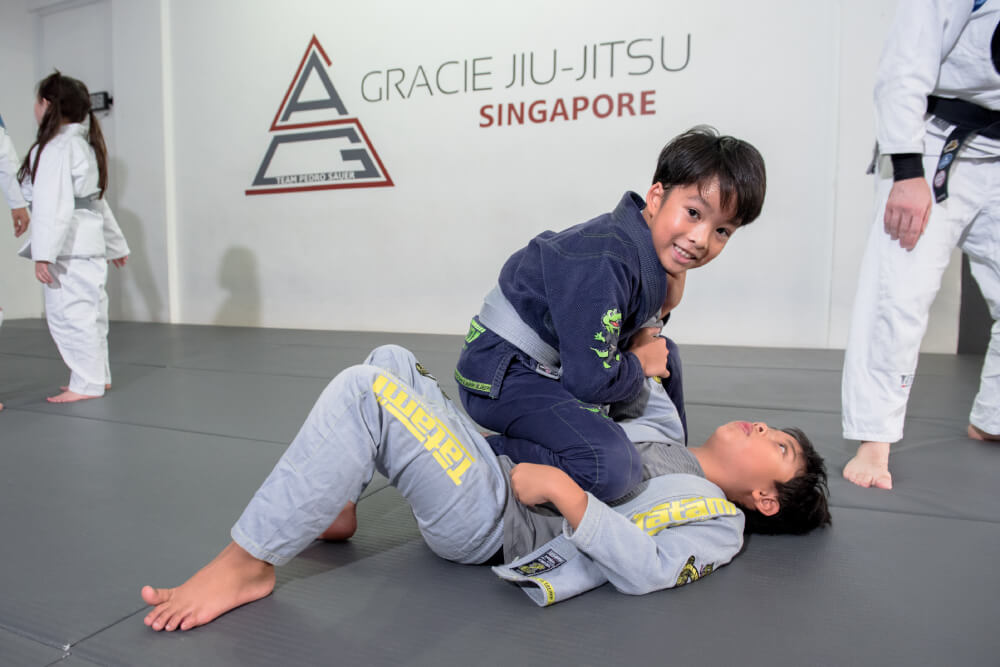
Over the years at Gracie Jiu-Jitsu Singapore, we have watched this transformation happen hundreds of times. Shy children who could barely introduce themselves arrive nervous and leave class with a smile. Within weeks, they are greeting teammates by name. Within months, they are volunteering to demonstrate techniques in front of the class.
Why Shy Children Thrive in Jiu-Jitsu
Many activities that promise to 'build confidence' — public speaking, drama, team sports — actually intensify anxiety for shy children. Being asked to perform in front of a group or compete against peers under pressure can reinforce the very fears these activities are meant to address.
Jiu-Jitsu works differently. Confidence is built incrementally through small, manageable physical challenges. A child does not need to speak in front of the class or score a goal to feel accomplished. They simply need to master a technique, apply it with a partner, and feel the tangible result of their effort.
The Three Stages of Confidence Building
Stage 1: Physical Confidence (Weeks 1–4)
In the first few weeks, children discover what their body can do. They learn to fall safely, maintain balance, and control their movements. For many shy children, this physical competence is the first step — realising that they are capable of things they did not think possible.
Explore Our Programs
Stage 2: Social Confidence (Months 1–3)
Jiu-Jitsu requires partner work. Children must make eye contact, shake hands, communicate, and cooperate with different partners each class. For a shy child, this structured social interaction is incredibly valuable. It is not the overwhelming chaos of a playground — it is guided, purposeful, and safe.
Over time, shy children form genuine friendships on the mat. The shared experience of learning something challenging together creates bonds that extend beyond the classroom.
Stage 3: Self-Assurance (Months 3+)
After a few months of consistent training, something shifts. Children begin to carry themselves differently — shoulders back, chin up, voice clear. This is not bravado or aggression. It is the quiet self-assurance that comes from knowing you have faced challenges and overcome them.
Parents consistently tell us that this confidence extends beyond the mat. Teachers notice it at school. Relatives notice it at family gatherings. The child who once hid behind a parent's leg now walks into a room with ease.
A Safe Space for Every Child
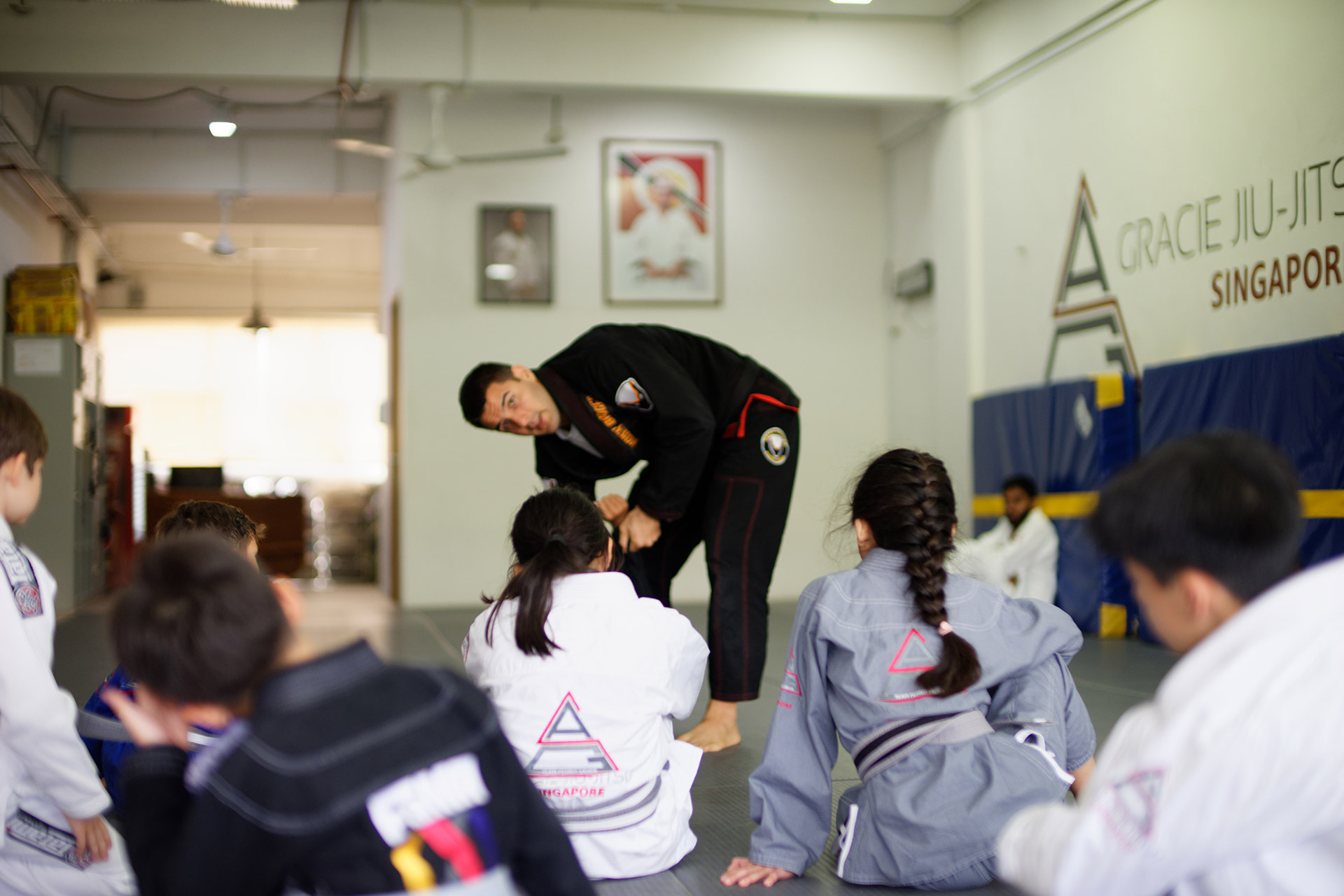
At Gracie Jiu-Jitsu Singapore, our instructors are trained to recognise and support shy or anxious children. We never force participation. We never single children out negatively. We create an environment where every child can progress at their own pace, with encouragement and patience.
“When my daughter first came to class, she would not let go of my hand. The instructor knelt down, introduced himself at her eye level, and gently invited her to watch first. By the end of that first class, she was on the mat practising with the other children. That moment changed everything for her.”
If your child is shy or anxious, a free 2-day trial at Gracie Jiu-Jitsu Singapore could be the turning point. Our instructors specialise in creating a safe, supportive environment where every child can grow at their own pace. No pressure, no obligation.
Frequently Asked Questions
Will my shy child feel overwhelmed in a Jiu-Jitsu class?
Our instructors are experienced with shy and anxious children. We never force participation and always allow children to observe first if needed. The structured, one-on-one partner format is actually less overwhelming than group sports or team activities.
How long does it take to see confidence improvements?
Most parents notice changes within the first month — improved posture, more willingness to engage socially, and a more positive attitude. Significant, lasting confidence typically develops over 3 to 6 months of consistent training.