BJJ vs Team Sports: The Best After-School Activity for Kids in Singapore
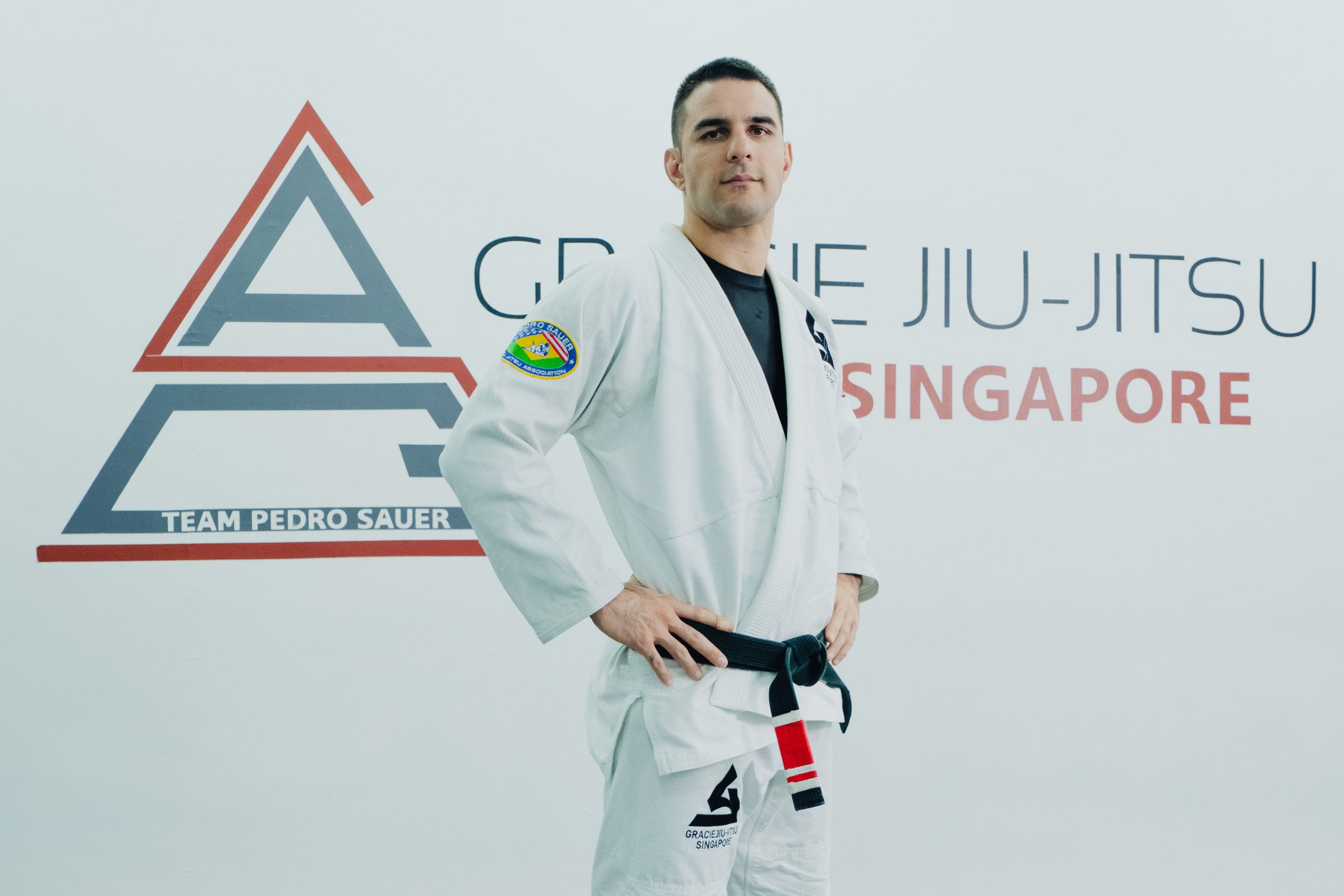
Head Instructor, Black Belt in BJJ & Judo
Singapore parents have more after-school activity options than ever — from swimming and football to coding and music. But when it comes to developing your child holistically — physically, mentally, and emotionally — martial arts, and specifically Jiu-Jitsu, offers a combination of benefits that team sports simply cannot match.
This is not about one being 'better' than the other. Team sports are valuable. But understanding what Jiu-Jitsu uniquely provides will help you make an informed decision about your child's development.
Individual Accountability vs Team Dependency
In team sports, a child's performance is diluted across the team. A shy or less skilled player can coast on the sideline without being directly challenged. In Jiu-Jitsu, there is nowhere to hide. Every child must engage directly with their training partner, solve problems in real time, and take responsibility for their own progress.
This individual accountability accelerates personal growth. Children learn that their improvement depends entirely on their own effort — a lesson that translates directly to academic and professional success.
Practical Self-Defence Skills
Football teaches teamwork. Swimming builds endurance. But neither teaches your child how to handle a physical confrontation safely. Jiu-Jitsu is the only common after-school activity that gives children practical self-defence skills they can use if they ever face bullying or a dangerous situation.
Explore Our Programs
In Singapore, where safety is a priority for every family, this practical dimension of Jiu-Jitsu gives it an edge that no ball sport can match.
Continuous Participation vs Bench Time
One of the most frustrating aspects of team sports for young children is bench time. If a coach decides your child is not among the strongest players, they may spend significant portions of the game sitting out. This can be demoralising, especially for children who are already struggling with confidence.
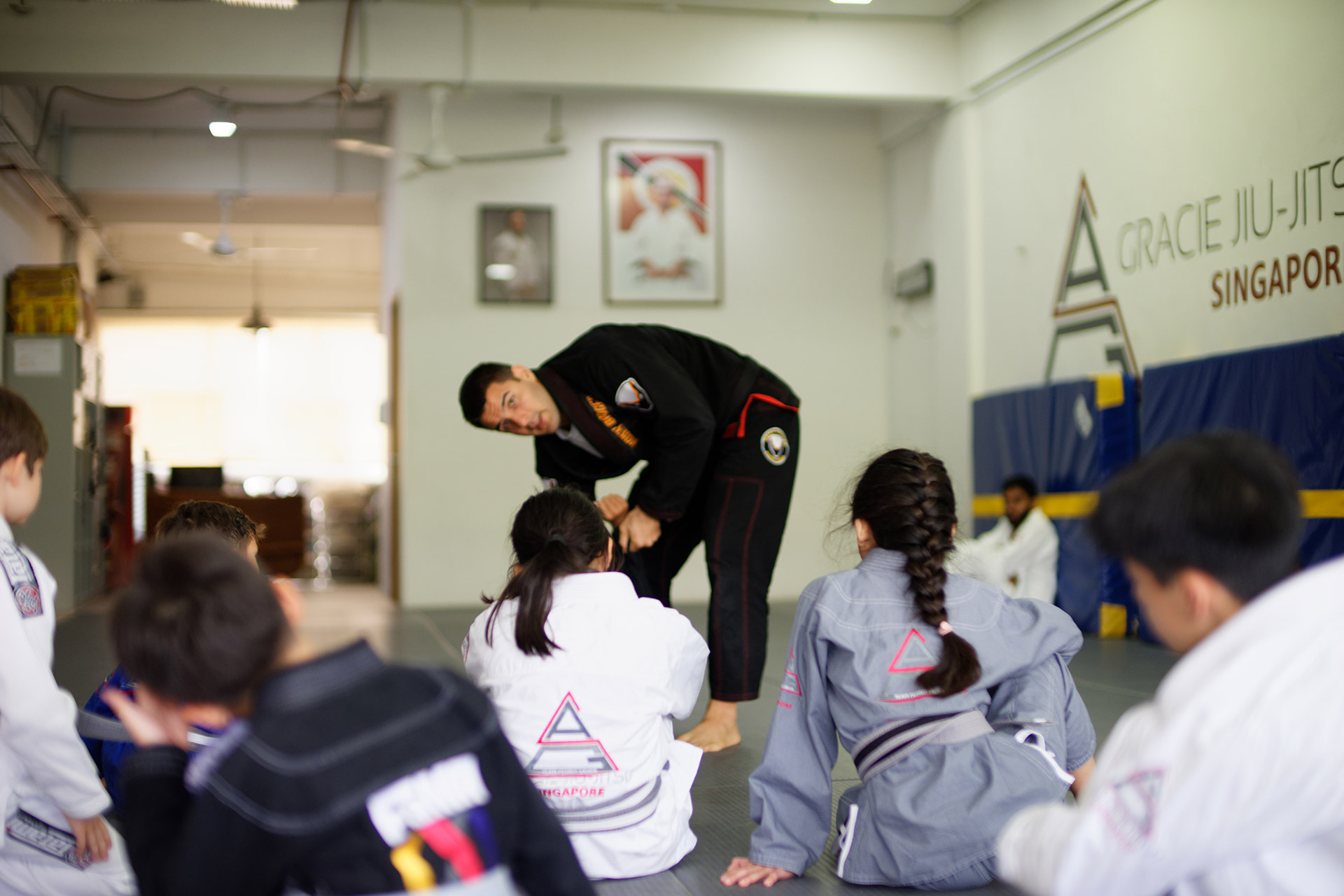
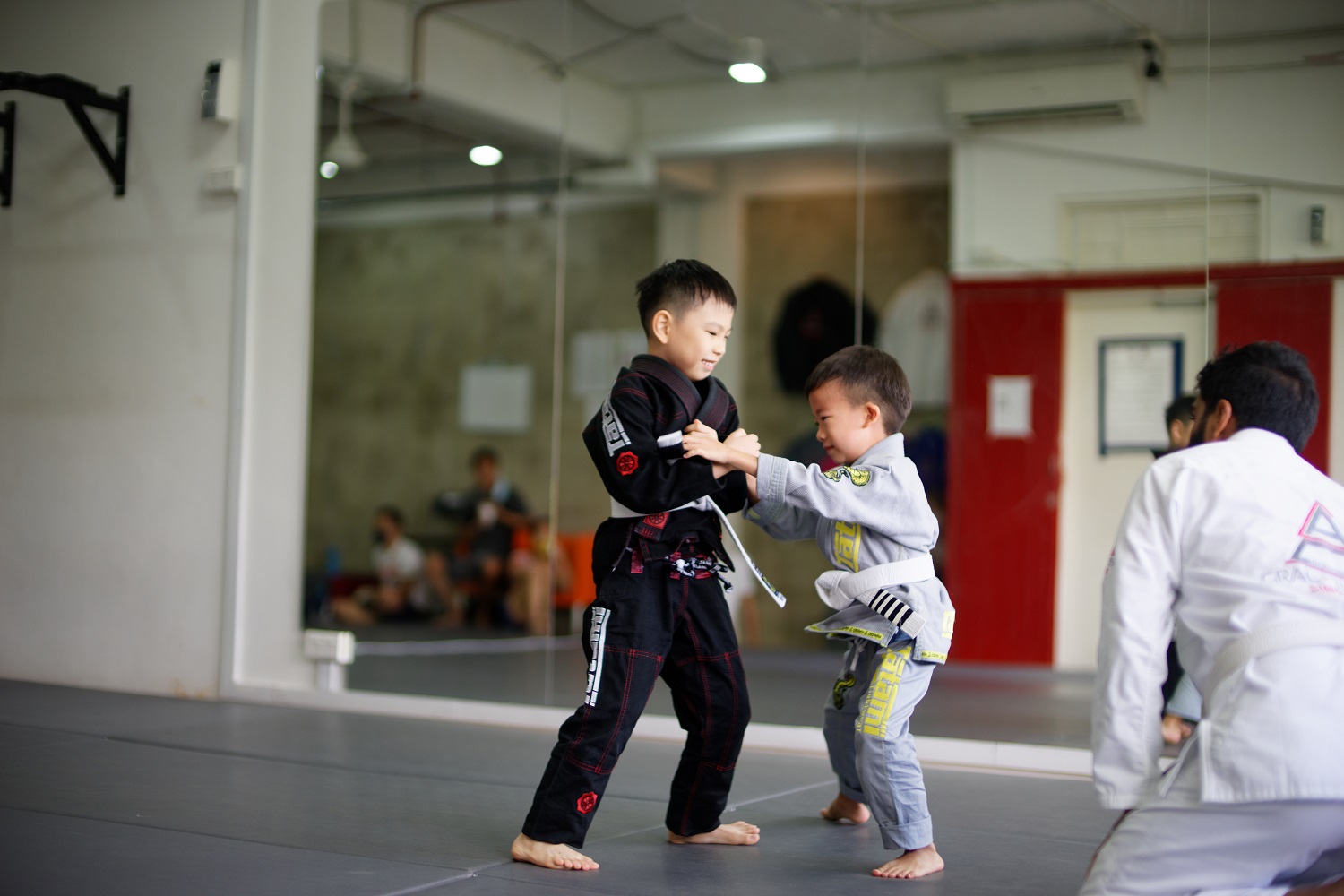
In Jiu-Jitsu, every child participates for the entire class. There is no bench. There are no substitutions. Every child drills, practises, and engages with partners throughout the session. This ensures maximum development and prevents any child from feeling excluded.
Progress at Their Own Pace
Team sports often group children by age, regardless of ability. A child who develops later physically may struggle against teammates who are simply bigger or faster. Jiu-Jitsu's technique-based approach means that a smaller, more technical child can control a larger partner through leverage and skill.
The belt and stripe system provides clear, individualised milestones. Children are not compared to teammates — they are measured against their own previous ability. This personalised progression builds intrinsic motivation and a healthy relationship with achievement.
Why Not Both?
Many of our students at GJJ Singapore also play team sports. The two complement each other well — team sports develop cooperation and strategic play, while Jiu-Jitsu builds individual resilience, self-discipline, and body awareness. The physical conditioning from Jiu-Jitsu also improves performance in virtually every other sport.
Looking for a meaningful after-school activity for your child? Try Jiu-Jitsu with a free 2-day trial at Gracie Jiu-Jitsu Singapore. We have classes at both our Lavender and Safra Choa Chu Kang locations, with schedules designed to fit after-school timing.
Frequently Asked Questions
Can my child do Jiu-Jitsu alongside team sports?
Absolutely. Many of our students play football, basketball, or swim competitively while training Jiu-Jitsu. The two complement each other — Jiu-Jitsu improves body awareness, balance, and mental toughness that enhance performance in team sports.
What makes Jiu-Jitsu a good after-school activity in Singapore?
Jiu-Jitsu develops self-defence skills, discipline, resilience, and confidence in a structured, safe environment. Unlike team sports, every child participates fully with no bench time, and progress is individualised through the belt system.
Is Jiu-Jitsu safe for children compared to contact sports like rugby?
Jiu-Jitsu has a lower injury rate than most contact sports. There is no striking involved, and all practice is controlled and supervised. Children learn to tap out when uncomfortable, and instructors ensure safe, age-appropriate training at all times.