Women's Self-Defence in Singapore: Why It Matters and What to Look for in Training
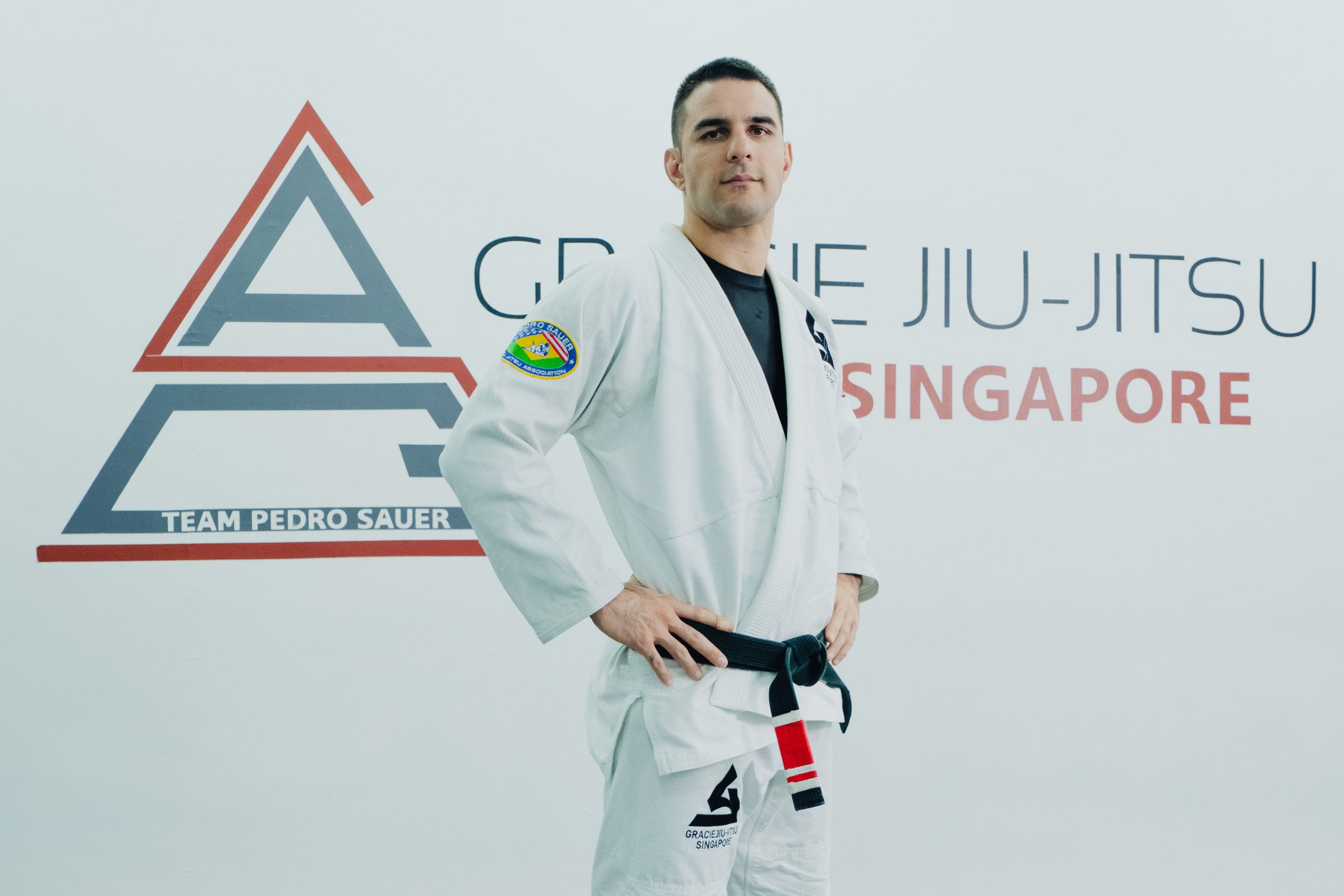
Head Instructor, Black Belt in BJJ & Judo
Women's self-defence is often misunderstood as a short crash course in strikes, alarms, or worst-case-scenario drills. In reality, good self-defence training is broader than that. It should help women improve awareness, decision-making, boundary setting, and physical control under pressure.
At GJJ Singapore, we do not currently offer women-only classes. But the subject matters, and many women still want to understand what effective self-protection training should look like before choosing where and how to train.
Why Self-Defence Training Matters for Women
The biggest benefit of self-defence training is not aggression. It is confidence rooted in preparation. When you understand distance, posture, timing, and how to manage physical contact, you are less likely to freeze under stress.
Strong self-defence training can help women develop:
- Awareness of risk before a situation escalates
- Clearer verbal boundaries and more assertive communication
- Better movement, balance, and coordination under pressure
- A realistic understanding of what works against a larger opponent
- Greater confidence in daily life, travel, and unfamiliar environments
Technique Matters More Than Strength
A common concern is whether self-defence can work against someone who is larger or stronger. This is exactly why technique-based systems matter. A good training method should focus on leverage, posture, positioning, and escape mechanics rather than relying on athleticism alone.
This is one reason Gracie Jiu-Jitsu is often part of the self-defence conversation. It emphasises control, distance management, and practical responses from common worst-case positions. That makes it especially relevant for smaller practitioners.
Explore Our Programs
What Good Women's Self-Defence Training Should Include
If you are evaluating a self-defence program, look for training that includes:
- Situational awareness and prevention, not just physical techniques
- Verbal de-escalation and assertiveness
- Escapes from grabs, pins, and common control positions
- Pressure-tested drills instead of purely theoretical choreography
- A safe training environment with progressive instruction
If a class is all intensity and no structure, it may feel empowering in the moment but fail to build usable skill. Practical self-defence should be taught progressively, with repetition and coaching, so responses become dependable under stress.
Women Do Not Necessarily Need Women-Only Classes
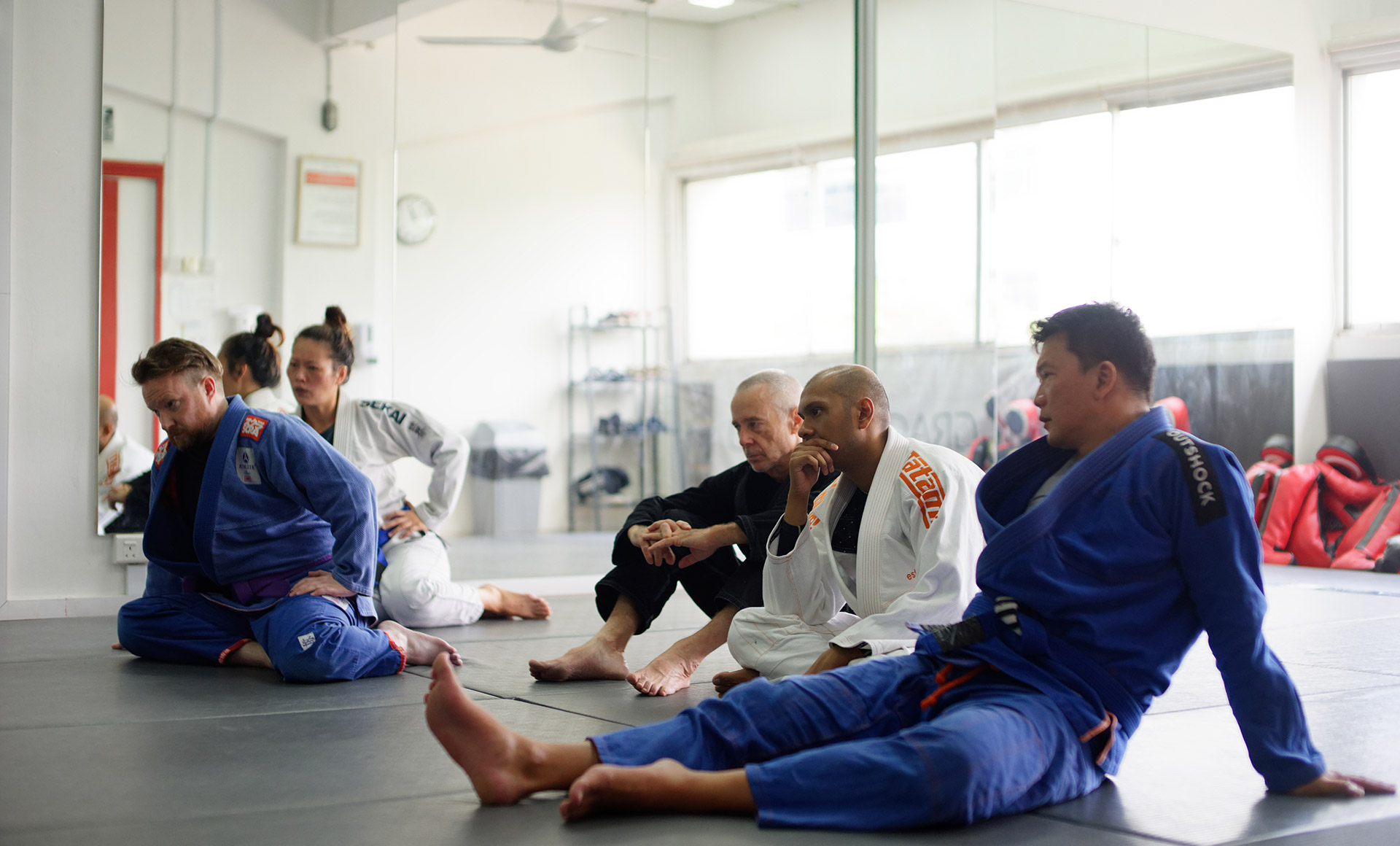
Some women strongly prefer women-only training environments, and that is a valid preference. But women-only classes are not the only path to effective self-defence training. Many women train successfully in mixed classes when the environment is respectful, technically sound, and beginner-friendly.
What matters more than the label on the class is whether the instruction is practical, the culture is safe, and the training allows smaller people to build real skill over time.
We do not currently run women-only self-defence classes at GJJ Singapore. This article is intended as an educational guide for readers researching the benefits of self-defence training and what to look for in a program.
How to Choose the Right Training Environment
If you are exploring self-defence training in Singapore, ask practical questions before you commit. Is the coaching beginner-friendly? Are techniques explained clearly? Is there an emphasis on safety and control? Do you feel respected in the environment?
The right program should make you feel challenged, not intimidated. You should leave class feeling more capable and more informed, not overwhelmed.
Frequently Asked Questions
Do women need women-only self-defence classes to learn effectively?
Not necessarily. Some women prefer women-only environments, but many train effectively in mixed classes when the coaching is respectful, structured, and designed for beginners. The quality of instruction and the safety of the environment matter more than the label alone.
What makes self-defence training practical for women?
Practical training includes awareness, verbal boundary setting, escape mechanics, and pressure-tested techniques that work against larger opponents. Systems that rely on leverage and positioning are generally more realistic than approaches based only on strength or speed.
Does GJJ Singapore offer women-only self-defence classes?
No. We do not currently offer women-only self-defence classes. This article is provided as educational content for readers researching the benefits of self-defence training.