5 Life Skills Your Child Gains from Jiu-Jitsu (That Homework Can't Teach)
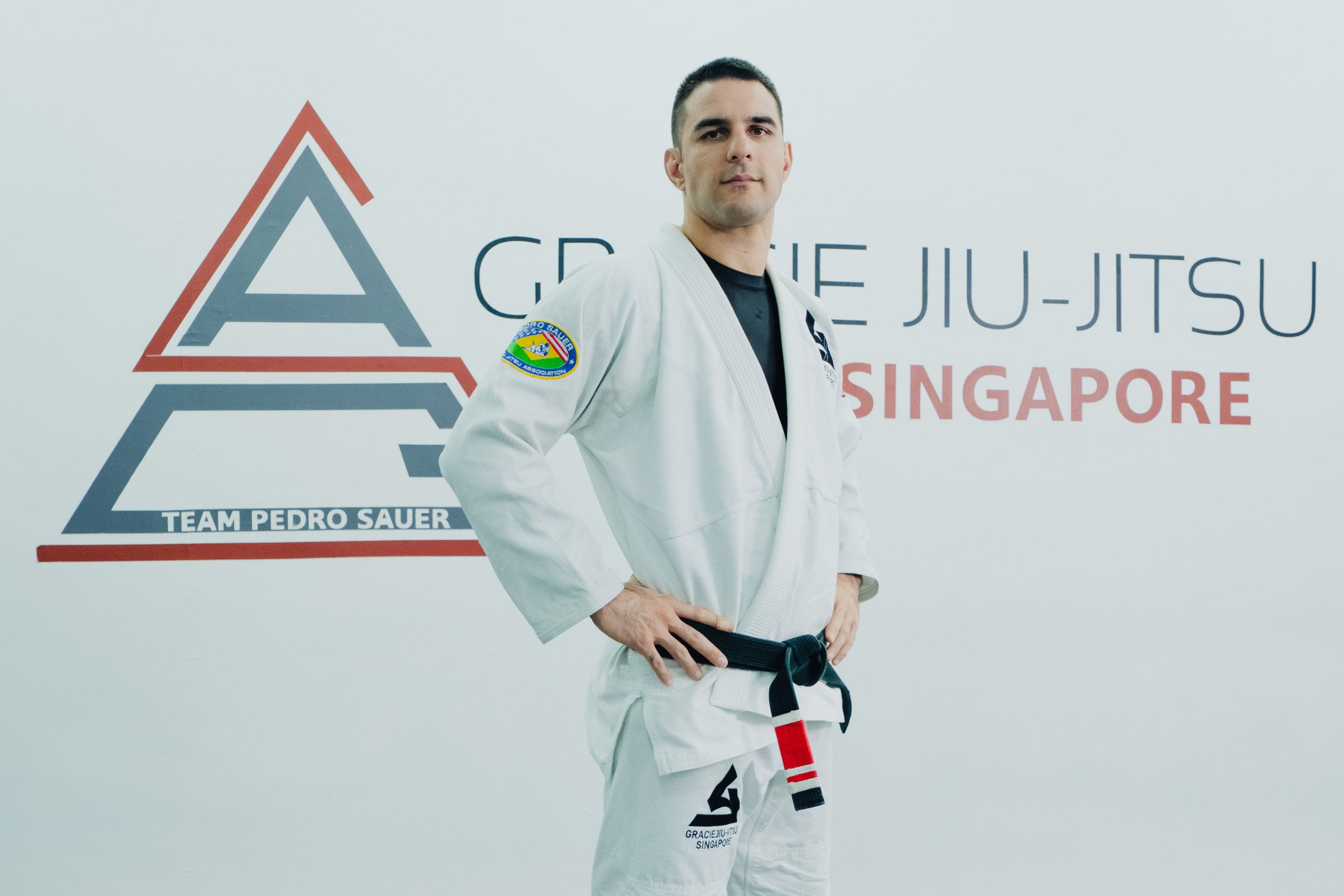
Head Instructor, Black Belt in BJJ & Judo
Every parent wants their child to succeed — not just academically, but in life. The skills that matter most in the real world — resilience, discipline, empathy, problem-solving, and respect — are rarely taught in a classroom. They are developed through experience, challenge, and guided practice.
After over 15 years of coaching martial arts across three countries, I have seen Jiu-Jitsu develop these qualities in children more consistently than any other activity. Here are the five life skills your child will gain on the mat.
1. Resilience: Learning to Get Back Up
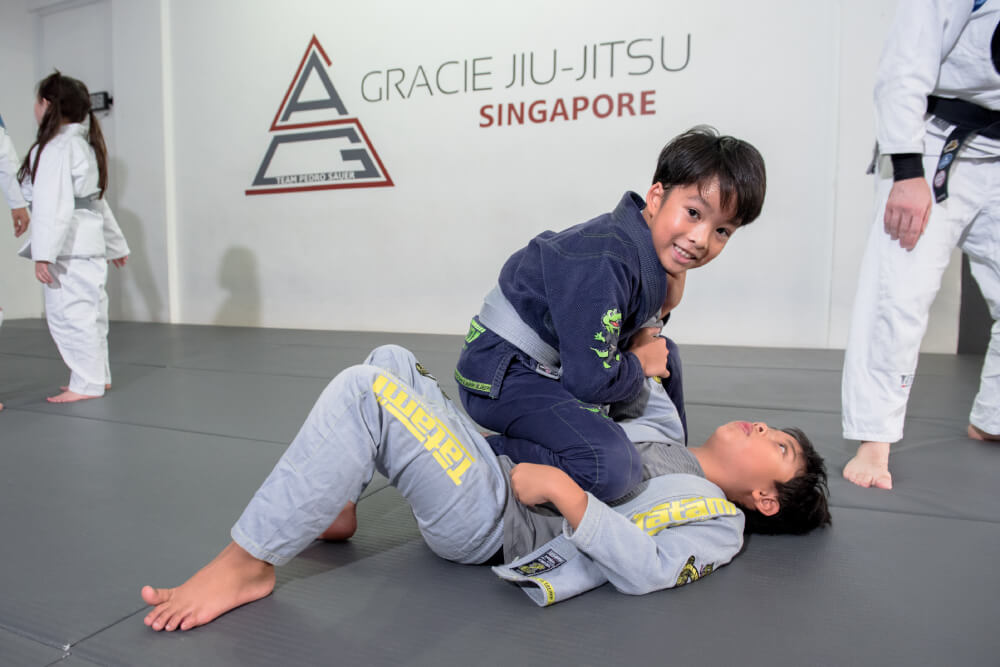
In Jiu-Jitsu, children experience setbacks every single class. They get swept, submitted, and outmanoeuvred — then they reset and try again. This cycle of failure and recovery, repeated in a safe environment, builds a deep-seated resilience that carries over into schoolwork, relationships, and eventually the workplace.
Unlike team sports where a coach might bench a struggling player, Jiu-Jitsu requires every child to face challenges directly. There is no hiding on the sideline. This builds a mental toughness that children carry with them long after they leave the mat.
2. Discipline: Showing Up and Doing the Work
The belt system in Jiu-Jitsu teaches children that progress comes from consistent effort, not talent. There are no shortcuts to the next stripe or belt — you earn it through attendance, technique, and attitude. Children quickly learn that the students who improve fastest are not the strongest or most athletic, but the ones who show up consistently and pay attention.
This understanding of earned progress is something many children miss in an era of instant gratification. Jiu-Jitsu provides a tangible, visible system where effort directly correlates with reward.
Explore Our Programs
3. Problem-Solving: Thinking Under Pressure
Jiu-Jitsu is often called 'human chess' because every position presents a puzzle. When a child is pinned or caught in a hold, they must think their way out — assessing options, anticipating their partner's reactions, and executing a sequence of movements under pressure.
This type of dynamic problem-solving develops cognitive skills that transfer directly to academic performance. Studies have shown that children who engage in complex physical activities demonstrate improved executive function, working memory, and strategic thinking.
4. Respect: For Others and for Yourself
Every Jiu-Jitsu class begins and ends with a bow. Partners shake hands before and after every round. Senior students help junior students. These rituals are not decorative — they establish a culture of mutual respect that children internalise over time.
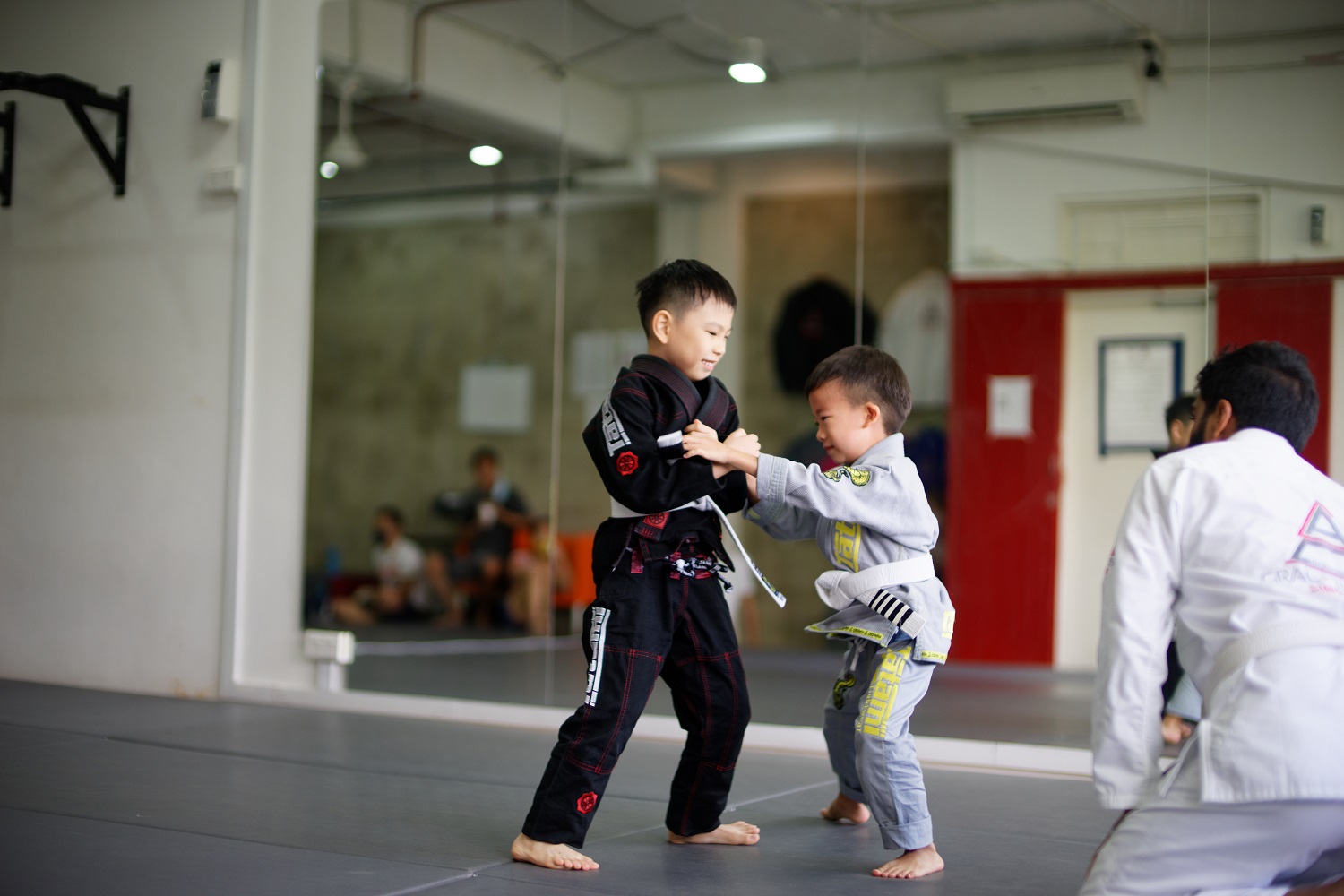
Children learn that their training partner is not an opponent to defeat but a collaborator helping them improve. This reframing of competition as cooperation is one of the most valuable lessons Jiu-Jitsu offers.
5. Empathy: Understanding Others Through Physical Connection
Jiu-Jitsu involves close physical interaction with training partners of different sizes, abilities, and backgrounds. Children learn to adjust their intensity based on their partner — being gentle with smaller or less experienced partners and pushing harder with those who can handle it.
This physical awareness develops into emotional awareness. Children who train in Jiu-Jitsu become more attuned to others' comfort levels and emotional states, building the foundation for genuine empathy.
Want to see these life skills develop in your child? Book a free 2-day trial at Gracie Jiu-Jitsu Singapore. Our Kids program (ages 8–12) and Tots program (ages 5–7) are designed to develop the whole child — not just their technique.
Frequently Asked Questions
Will Jiu-Jitsu help my child focus better in school?
Yes. Jiu-Jitsu develops executive function, working memory, and the ability to concentrate under pressure. Many parents report improvements in their child's academic focus within the first few months of training.
How is Jiu-Jitsu different from other martial arts for child development?
Jiu-Jitsu emphasises problem-solving and adaptability rather than repetitive striking patterns. Every roll is a unique puzzle, which develops cognitive flexibility and strategic thinking in ways that more rigid martial arts do not.
My child is not athletic — will they still benefit?
Absolutely. Jiu-Jitsu does not require strength or athleticism. It uses leverage and technique, making it accessible for children of all body types and fitness levels. In fact, less athletic children often develop the strongest technical foundations.